Earth Day 2026: Yes, It Still Matters
There’s something about this time of year in the Northwoods that makes everything feel so alive again, and honestly, it’s the perfect backdrop for talking about conservation, wildlife rehab, and the role we all play in protecting the natural world.
Spring Has Sprung (or has it…?)
Despite the below freezing temperatures and flurries of snow that appeared across the state this week, I’ve been noticing some first little signs that winter is finally loosening its grip. The spring peepers just started calling this week near where I live—their high-pitched chorus promises that warmer days are on the way. Tulips and crocuses are popping up in my yard, adding little bursts of color to the otherwise sad and dreary yard, and I’ve even started seeing moths fluttering around at night.
The birds are coming back too. I’ve heard sandhill cranes flying overhead, seen waterfowl returning to open water, and spotted juncos and chipping sparrows again. And of course, I always get excited about getting my first glimpse of a returning “butter butt”— a.k.a. yellow-rumped warbler—because they feel like a true sign that migration is underway.
At the same time, baby season has officially begun at our rehab center. Squirrels, rabbits, foxes, owls, and eagles are all raising young right now, which means things are picking up at the wildlife center too. It’s one of the busiest—and most meaningful—times of year for rehabilitation work.
From Humble Beginnings to Eco-powerhouse
Earth Day started on April 22, 1970, and this year marks its 56th anniversary. One of the things I love most about its history is that it has roots right here in Wisconsin! It was co-founded by then-senator Gaylord Nelson, who wanted to bring environmental concerns into the national spotlight after witnessing major environmental damage from events like the oil spill in Santa Barbara, California.
The first Earth Day brought together about 20 million people—that was about 10% of the U.S. population at the time. That kind of collective action led directly to the creation of the Environmental Protection Agency and major legislation like the Clean Air Act and Clean Water Act. It’s incredible and inspiring to think about what can happen when people come together around a shared purpose!
The movement itself had been building for years, especially after the publication of Silent Spring, by Rachel Carson. Her literature really shifted how people thought about pollution and environmental health. Since then, Earth Day has grown into a global event, but its core message still feels very personal to me.
Why I Think It Still Matters
For me, Earth Day is a reminder that environmental issues aren’t abstract—they affect all of us, every day. Pollution travels through watersheds and air currents, impacting ecosystems and communities far from where it started. Something I learned in college that really stuck with me is how disproportionately pollution affects low-income communities and communities of color. Conservation and environmental justice are deeply connected.
I’ll be honest—sometimes it feels overwhelming. I see things in the news like decisions that could impact places I care deeply about (like the Boundary Waters in Minnesota) and it’s hard not to feel like my voice doesn’t matter.
But then I think about the bigger picture. The modern environmental movement didn’t come from one person or one moment—it came from millions of people paying attention, speaking up, and taking action. Even something as simple as noticing a change in wildlife populations can make a difference. That’s exactly how declines in peregrine falcon populations were first identified—by individual falconers who cared enough to look closely. They even played a role in helping the species recover, too!
What I Try to Do (And What You Can Do Too)
One of the things I appreciate most about Earth Day is that it invites everyone to participate, regardless of class, age, or ability. You don’t have to do something huge to make a difference.
For me, that looks like:
- Starting garden seedlings and working toward planting more native species in my yard
- Working to certify my yard as a wildlife habitat
- Going birding and contributing to citizen science
Other great ways to get involved include planting native trees (either in your own yard or as part of a conservation effort in a local park or wild area), participating in trash cleanups, supporting local agriculture by buying produce at a farmer’s market, or creating pollinator-friendly spaces. Even small changes—like using reusable bags or turning off lights during peak bird migration—can add up over time.
“Our Power, Our Planet”
This year’s Earth Day theme really hits home for me. It emphasizes that environmental stewardship isn’t about one big action—it’s about consistent, collective effort. It isn’t under the control of one government or administration, it’s about communities, educators, volunteers, and everyday people making choices that support the places and initiatives that they love.
I don’t know about you, but I need that reminder sometimes. When things feel out of my control, it helps to remember that small actions still matter.
How I’m Spending Earth Day
This year, I’m planning to attend a rally in the Twin Cities—just to be around other people who care about the same things, to feel that sense of connection and motivation again. I think that’s such an important part of this work too: staying inspired and remembering that we’re not doing this alone.
I’ll also be spending time outside, probably birding, and continuing to work on making my own little corner of the world a better habitat for wildlife.
A Final Thought
If there’s one thing I keep coming back to, it’s this: Earth Day isn’t just one day. It’s a mindset.
It’s in the small choices we make, the things we notice, and the ways we show up for the natural world—over and over again.
Because at the end of the day, we’re all connected to this planet. And protecting it? That’s something worth showing up for!
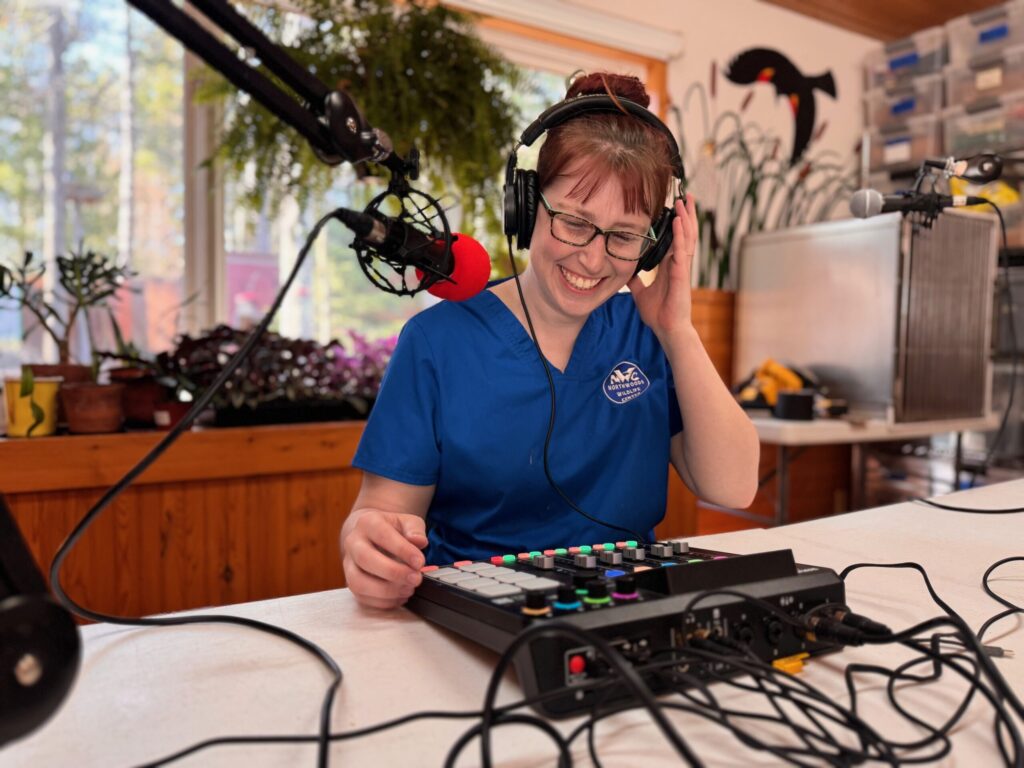
We are excited to share that the Northwoods Wildlife Center’s podcast, WildPhiles, with host and Advanced Wildlife Rehabber Sheridan Perry, returns this May after a two year hiatus. Stay tuned!